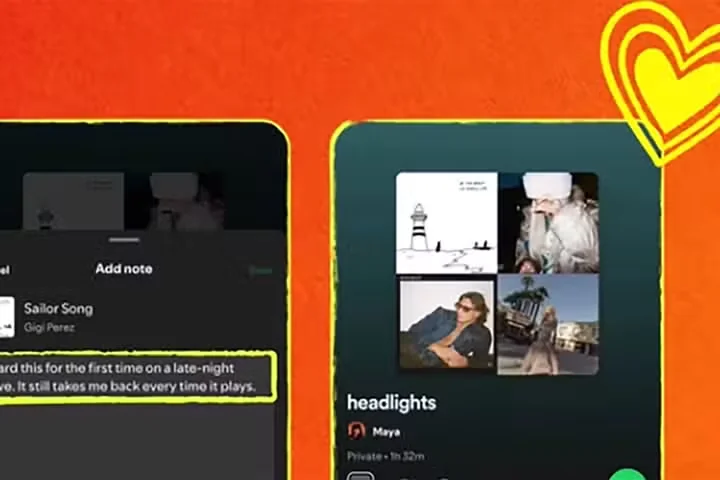
Before streaming, before algorithms, and before playlists could be shared with a single link, there was the mixtape — and with it, the handwritten note. Cassette compilers would scrawl track listings, inside jokes, and apologies on paper inserts, turning three minutes of pop music into a personal message. Spotify now wants to recover a piece of that ritual, introducing a notes feature that lets listeners attach written context to the playlists they share, reviving what many longtime users consider a lost art of musical correspondence.
The concept is deliberately simple. When sending a playlist to a friend, a partner, or a group chat, the creator can add a short note explaining the sequence, dedicating a track, or setting the scene for a road trip or study session. Recipients see the text alongside the cover art, transforming what was once a sterile list of songs into something closer to a gift with a card tucked inside.
Cultural commentators have been quick to note the irony: a platform built on infinite automation is betting on the oldest form of human curation. Yet the timing fits a broader nostalgia cycle. Vinyl sales have outgrown CDs for years, film cameras are fashionable again among teenagers, and a renewed fascination with physical mixtape aesthetics suggests the emotional grammar of the cassette era never really disappeared.
The feature is arriving gradually, and its long-term success will depend on whether people actually write anything. But if even a fraction of shared playlists gain a sentence of context, Spotify may have proven that the most powerful music technology is still a few honest words.