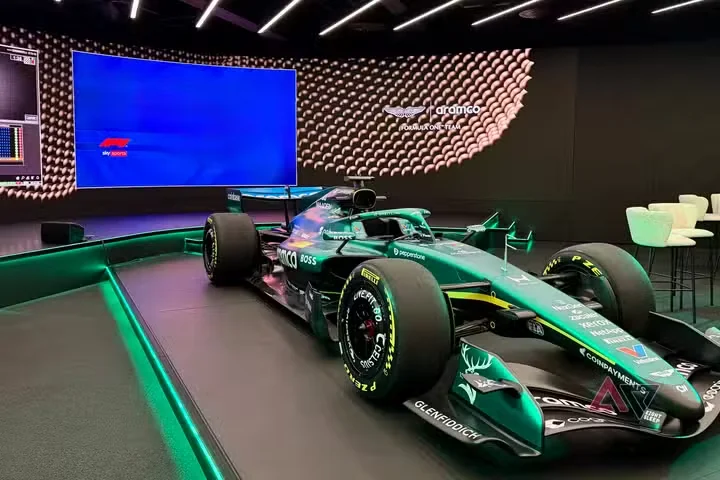
Formula 1 has always been a sport decided by milliseconds, but the battles that determine those fractions of a second are increasingly fought inside server rooms. Artificial intelligence now permeates the paddock: machine-learning models predict tire degradation lap by lap, simulate thousands of pit-window scenarios before a race begins, and parse live telemetry faster than any human analyst could dream of. Teams run weather forecasts, strategy permutations, and reliability models through neural networks while the cars are still on the grid.
Yet the sport's AI revolution has an unexpected stabilizing force — the people. Senior strategists still make the final call, weighing model outputs against intangibles no algorithm captures: a driver's confidence, a rival's bluff, or the way safety-car timing can rewrite an afternoon. Engineers describe their relationship with the models as advisory rather than executive; the machine proposes, the human disposes, and the most successful operations treat disagreement with the computer as a signal to look closer, not to override blindly.
Governance adds another human layer. The sport's rule-makers have moved to constrain how computational power can be deployed, wary of a future in which the richest data infrastructure, rather than the best driver or designer, decides championships. Budget caps now extend to digital resources, and debates over algorithmic fairness echo earlier controversies over aerodynamics and engines.
As machine learning spreads through football, tennis, and basketball, Formula 1 offers an early preview of professional sport's next identity crisis: how much of the game can be computed before the computation stops being the game?