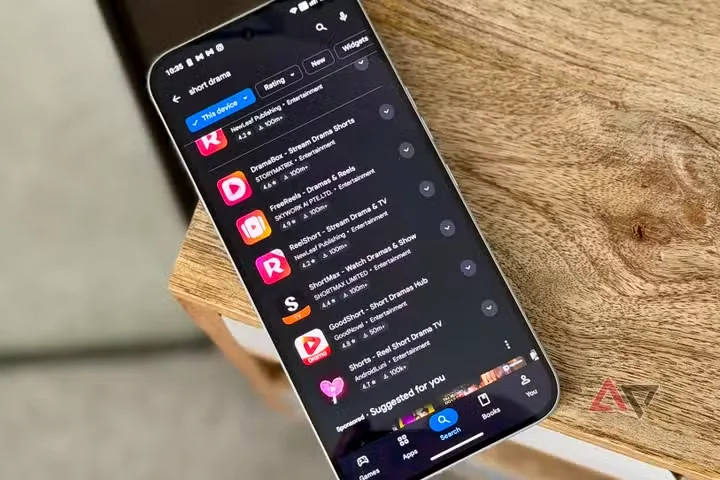
A new consumption habit is quietly reshaping the Android entertainment economy, and it fits in the palm of your hand. Short dramas—vertical, two-minute episodes engineered for swipe-speed storytelling—have exploded from a niche import into one of the fastest-growing categories on app stores, and their monetization model is now influencing how the entire industry thinks about paying for content.
Unlike Netflix-style subscriptions, short-drama apps such as ReelShort and its competitors typically charge per episode through token packs, letting viewers pay a few cents to unlock the next cliffhanger instead of committing to a monthly fee. The approach converts spectacularly: industry trackers report that a small share of highly engaged users generates a disproportionate slice of revenue, and average revenue per user in the category now rivals or exceeds that of established streaming services.
The ripple effects on Android entertainment apps are substantial. Developers of everything from karaoke platforms to fitness video apps are experimenting with microtransactions and episode-based unlocks, while ad networks report rising bids from short-drama publishers. App-store charts, once dominated by games, increasingly feature these serialized micro-soap operas, and major studios have announced their own vertical-video divisions in response.
Skeptics caution that the model depends on impulse and can obscure total spending, and regulators in several markets have begun scrutinizing token-pack disclosures. Still, the direction of travel looks clear: for a growing cohort of viewers, the subscription era is giving way to the pay-per-moment era, and Android—where the category took root first—is the proving ground for what entertainment will cost next.