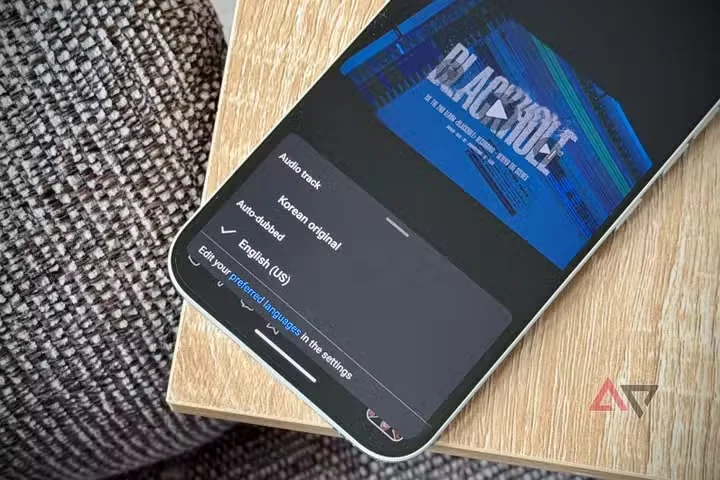
YouTube has been expanding its automatic dubbing tool, which uses AI voice models to translate a creator's spoken audio into other languages while preserving the original speaker's vocal character. Our writer tested the feature across a range of favorite channels and reported an experience so strange it felt like a glitch in personal memory: hearing a familiar creator deliver fluent Spanish, Hindi, or Portuguese in a voice that is unmistakably theirs, yet never actually recorded by them.
The technology, built on YouTube's Aloud research project, analyzes pacing, emphasis, and even laughter to synthesize a plausible performance. For smaller creators, the upside is real—automatic localization can open entire language markets that were previously cost-prohibitive, and early data suggests dubbed videos lift watch time in non-English regions.
Yet the experience carries an unsettling quality. Viewers describe a persistent uncanny valley: the cadence is slightly off, emotional nuance flattens at key moments, and the knowledge that no human ever spoke those words lingers. Critics have called the result voices from beyond, a dystopian liberty taken with a person's most identifiable asset—their voice—sometimes with consent buried in platform terms rather than explicit negotiation.
Creators remain divided. Some embrace the reach; others worry about liability when an AI says something they would never have said, and guilds in several countries have demanded opt-in frameworks. YouTube maintains that participation is optional and expanding, with more languages arriving in waves. The unresolved question is not whether the technology works—it demonstrably does—but how audiences will feel years from now, when half the platform's content is performed by synthetic ghosts of the people who recorded it.