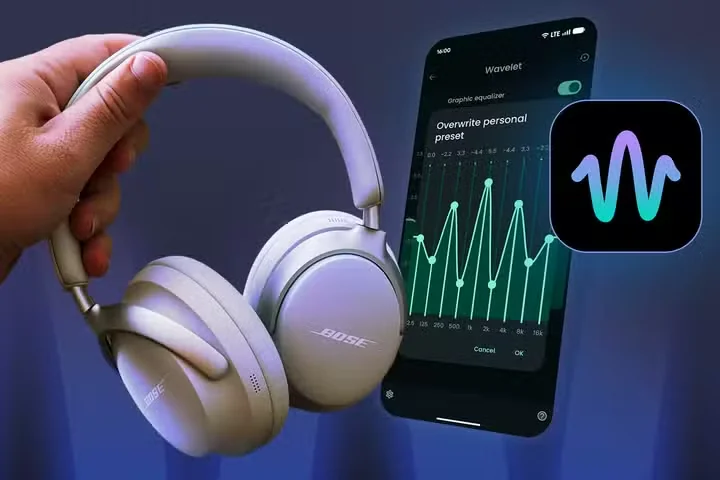
For years, one Android owner was convinced their expensive headphones were the problem, citing muddy bass, harsh treble, and a sound signature that never seemed to match the glowing reviews. A system-wide equalizer application reframed the diagnosis entirely, and the writer now believes the headphones were never at fault in the first place.
The app applies digital signal processing across the whole operating system, letting users sculpt frequency response on a per-device basis and route the corrected output through Bluetooth, wired, or speaker playback. Unlike basic tone controls, it supports parametric filters, preset sharing, and calibration profiles tuned to specific headphone models. After loading a community-made profile matched to their exact hardware, the listener described an immediate transformation: the bass tightened, vocals moved forward, and the fatigue that had made long listening sessions unbearable simply evaporated.
The underlying issue is one every audio engineer knows and few consumers appreciate. Most headphones ship with a factory response curve shaped by cost targets and mass appeal, while Android's default audio stack historically added its own distortion when resampling sound for Bluetooth codecs. The result is a chain of small compromises that no amount of premium gear can escape, until software corrects it at the output stage.
The experience has convinced the writer to stop treating every audio disappointment as a shopping problem. Before spending on new hardware, they argue, listeners should spend ten minutes with a good equalizer; in many cases the perfect sound signature is already hiding inside the gear they own.