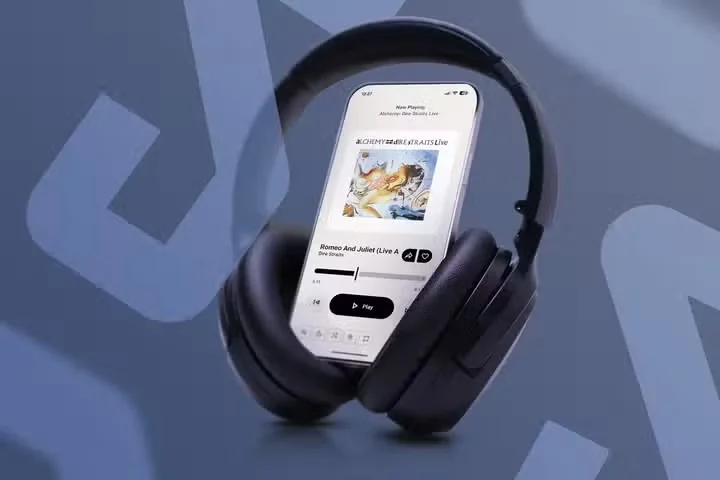
After years of paying for YouTube Music Premium, our writer swapped the official app for a third-party client—and describes the result as a complete reset of how music streaming should feel. Open-source alternatives, including modified clients built on the ReVanced project and standalone players like InnerTubes, expose the entire YouTube catalog as a music service without the compromises the official app layers on: forced video playback, interface clutter, and promotional shelves.
The differences are immediate. Background playback works reliably with a precise audio-only mode; downloads are possible without a Premium tier; lyrics render cleanly; and the interface, stripped of Shorts and shopping integrations, behaves like a dedicated music player rather than a video portal wearing headphones. Many of these clients also add crossfade, gapless playback, and customizable navigation—features the official app either lacks or gates behind subscription plans.
The trade-offs deserve candor. Third-party clients exist in a legal gray zone: they violate YouTube's terms of service, receive no official support, and can break when Google changes its internal APIs. Privacy-conscious users should note that some builds route watch history through unofficial endpoints, and sideloading on iOS remains impractical for most people. There is also the ethical dimension—ad-blocking removes a revenue stream that compensates creators, though music listening already pays artists little through the platform.
For the writer, the verdict is blunt: the unofficial experience is what the official one should have been from the start. It is a case study in how quickly loyalty erodes when a platform treats a paid tier as a tax on basic functionality—and a signal to Google that the moat around its music service is narrower than it assumes.